
Blog
General
Chronic TBI as a Long-Term Condition: The 2025 Shift
2025 research redefined TBI as a chronic condition. Learn how precision diagnostics, biomarkers, and the CBI-M model change long-term care.
Board-certified physicians
Objective, FDA-approved testing
Multidisciplinary concussion rehab
What 2025 Research Changed About TBI as a Chronic Condition
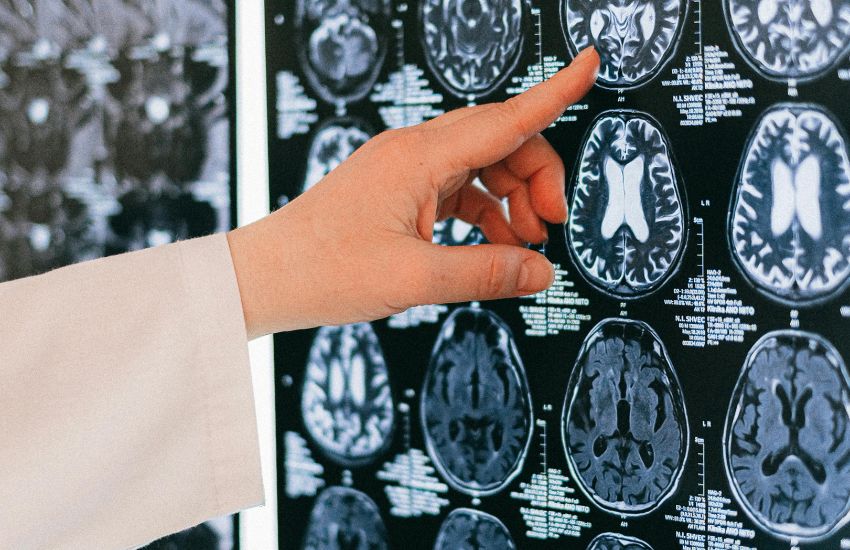
TBI is no longer an "event"—it is a progressive health condition. In 2025, leading neurological bodies and the AMA Guides solidified the stance that TBI is a chronic process, much like diabetes or heart disease. Research now shows that even "mild" injuries can trigger a lifelong metabolic and neuro-inflammatory cascade that requires ongoing management to prevent cognitive decline.
What Clinicians Should Do Differently
- Abolish the "Acute-Only" Mindset: Shift from "recovery" to "disease management." Patients should be monitored for late-onset complications like post-traumatic epilepsy, which affects up to 17% of TBI patients years after the initial impact.
- Screen for Neuroendocrine Shift: 2025 protocols suggest annual hormone screening for chronic TBI patients. Pituitary dysfunction is a frequent, yet overlooked, long-term consequence that mimics depression or chronic fatigue.
- Utilize Serial Objective Testing: Don't rely on a single baseline. Use longitudinal Neuropsychological Evaluations (NPE) and objective oculo-vestibular tracking to detect subtle shifts in brain health over years, not just weeks.
What Patients Should Know
- The "Invisible" Progression: Just because you feel better at six months doesn't mean the biological process has stopped. A TBI can change how your brain ages, making early and consistent neuro-protective care essential.
- 75% Experience Long-Term Symptoms: In studies of over 1,700 adults, 75% still reported significant symptoms six weeks post-injury, and 30% faced chronic pain and cognitive hurdles beyond the one-year mark.
- Prevention via Lifestyle: Management of sleep, nutrition, and cardiovascular health are now considered "front-line" neurological treatments to protect the TBI-impacted brain from further decline.
Frequently Asked Questions (FAQ)
Q1: If TBI is "chronic," does that mean I'll never get better?
A: No. Chronic means it requires ongoing attention, not that improvement is impossible. Many patients reach high levels of functioning, but they do so by actively managing their "new normal."
Q2: Why is my memory getting worse years after my accident?
A: This is known as the "delayed progression" of TBI. It can be caused by chronic neuro-inflammation or the brain's reduced "cognitive reserve" as you age.
Q3: Does the AMA recognize TBI as a chronic condition?
A: Yes. The AMA Guides explicitly state: “TBI is not an event or a final outcome; it is the beginning of a chronic process”.
Q4: Can a "mild" TBI really be a lifelong condition?
A: Yes. 2025 research confirms that "mild" refers only to the initial presentation (loss of consciousness duration), not the long-term impact on the patient's life.
Q5: How does All Things Neuro manage chronic TBI?
A: We use our Neuro360 model to provide lifelong surveillance, identifying secondary issues (like sleep disorders or neuro-fatigue) before they become permanent disabilities.
Next Steps
Don't treat your brain health as a one-time checkup. If you or a loved one are living with the long-term effects of a brain injury, it's time for a chronic management strategy.
Schedule Your Chronic TBI Baseline Evaluation
Wellness Disclaimer
This content is intended to support education and awareness around health and wellness topics and does not replace personalized medical care. Traumatic brain injury is a complex, chronic health condition; readers are encouraged to consult with the board-certified experts at All Things Neuro to determine the best long-term management plan for their unique situation.