Eye Movement Desensitization and Reprocessing (EMDR)
EMDR (Eye Movement Desensitization and Reprocessing) is a structured psychotherapy approach most commonly used for PTSD, anxiety and trauma-related distress. In plain terms, it helps the brain reprocess upsetting memories so they become less triggering and less “stuck,” often using bilateral stimulation (like guided eye movements, taps, or tones) while the person focuses briefly on aspects of the memory.
EMDR in the realm of neuropsychology vs therapy (how it fits)
Neuropsychology (assessment side)
Neuropsychology typically doesn’t “do EMDR” as a test—instead, neuropsych assessment can:
- clarify whether someone’s cognitive complaints (attention, memory, processing speed, executive function) are more consistent with:
- brain-based changes,
- trauma/stress effects, or
- both together
- document baseline functioning and functional impact (work/school/daily life)
- identify factors that can interfere with recovery (sleep disruption, anxiety, depression, PTSD symptoms)
So, neuropsych helps answer “what’s driving the symptoms and what should the plan target?”
Therapy (treatment side)
EMDR is a treatment. In TBI/concussion contexts, it’s most relevant when there are:
- trauma symptoms (flashbacks, hypervigilance, avoidance)
- accident-related anxiety (driving fear, panic)
- nightmares, sleep disruption tied to trauma
- emotional dysregulation related to traumatic memories
So, therapy (including EMDR) helps answer “how do we reduce trauma activation so the nervous system can stabilize?”
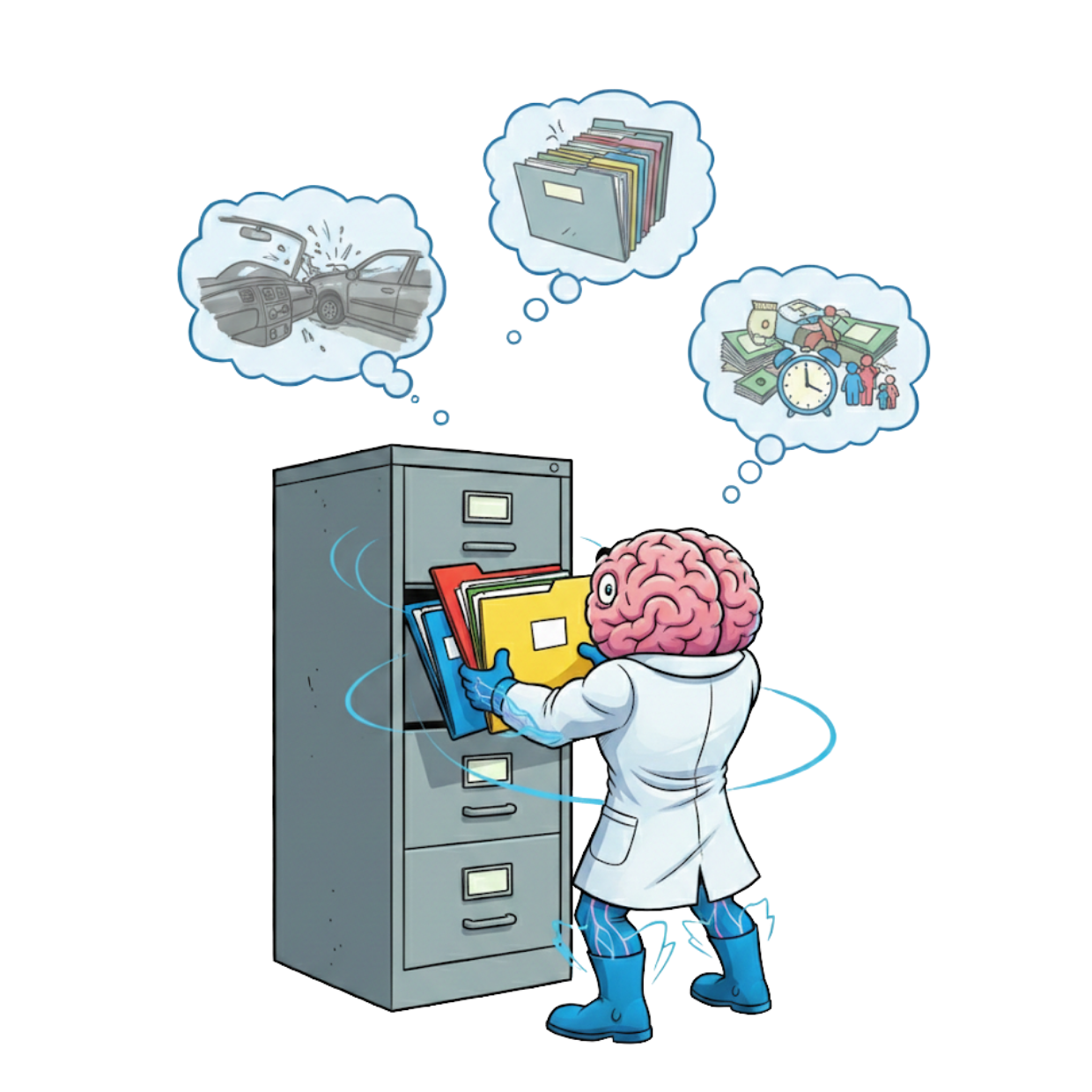
EMDR for TBI / concussion: what it can help with
EMDR is not a “brain repair” therapy, but it may help with common co-travelers of TBI:
- PTSD symptoms after MVC, assault, sports trauma, falls
- anxiety/panic that worsens dizziness, headaches, and sleep
- intrusive memories that keep the nervous system in a stress state
- avoidance patterns that limit rehab participation or return-to-life
When trauma load decreases, people often report improvements in:
- sleep consistency
- emotional reactivity
- ability to tolerate environments (crowds, driving)
- participation in rehab and daily routines
(Not guaranteed, but that’s the clinical rationale.)
Important cautions (especially for TBI)
Because concussion/TBI can include fatigue, sensory sensitivity, dizziness, cognitive overload, EMDR may need modifications:
- shorter sets, slower pacing
- using tapping/tones instead of eye movements if eye tracking triggers symptoms
- stronger stabilization skills first (grounding, pacing, sleep support)
- coordination with medical/neuro providers if symptoms are intense
A trauma-informed clinician will typically screen for readiness and build skills before intensive reprocessing.
Wellness Disclaimer: This information is for education and does not replace individualized medical or mental health care.
Find a Clinic Near You
Access coordinated, multidisciplinary neurotrauma care across all AllThingsNeuro clinic locations. Use the map or search below to find the clinic closest to you.
Contact Us
Whether you are seeking care, coordinating a clinical referral, or requesting additional information, our team is here to help guide the next appropriate step.
CALL US
Corporate Office
OFFICE HOURS
Limited Saturday hours: 3rd Saturday of each month, 9:00 AM–1:45 PM (Decatur)
.gif)
Link
Care Connector: Helping patients navigate AllThingsNeuro + Neuro360
Separate organizations. Shared commitment to coordinated care.


AllThingsNeuro + Neuro360: One coordinated care experience
AllThingsNeuro and Neuro360 work together to reduce friction in the care journey. Our teams coordinate information and next steps so patients and referring providers can move forward with clarity
Connected evaluation | Objective diagnostics | Coordinated next steps