
Blog
Attorneys
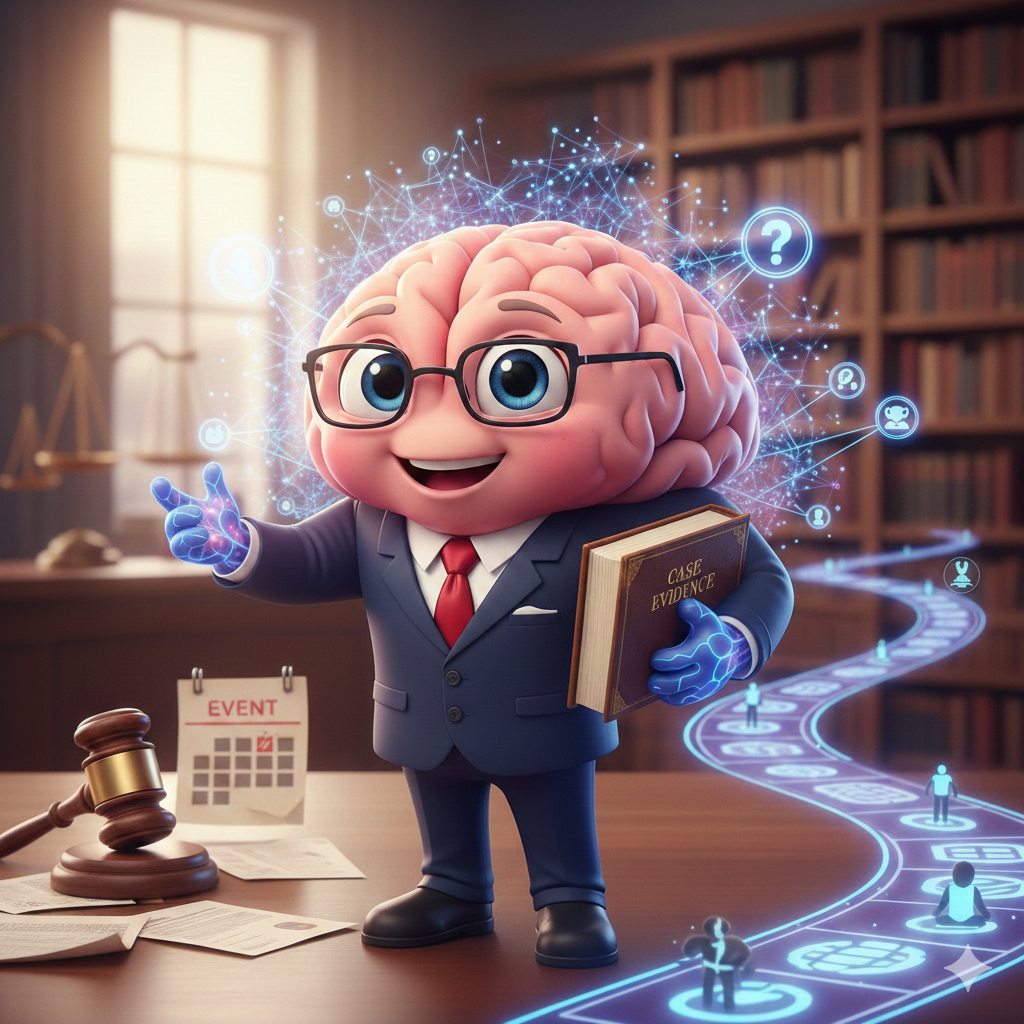
Traumatic Brain Injury: A Chronic Disease Process, Not a One-Time Event
TBI isn’t just an event—it’s a chronic disease process that requires long-term documentation. Learn how the Neuro360 approach provides the objective data attorneys need to prove secondary injuries and long-term damages.
Board-certified physicians
Objective, FDA-approved testing
Multidisciplinary concussion rehab
For many years, the insurance industry and even some healthcare providers have categorized Traumatic Brain Injury (TBI) as an "event"—a final result or isolated outcome similar to a broken bone. The prevailing myth is that once the initial "insult" is treated and a brief period of rehabilitation is completed, the patient is "fixed" and requires little further care.
For personal injury attorneys, this "event-based" perspective is a significant barrier to securing fair and comprehensive settlements for clients. Science tells a different story.
TBI is a Lifelong Process
Leading neurological research, including the foundational work of Drs. Brent Masel and Douglas DeWitt, confirms that TBI is actually the beginning of an ongoing, chronic disease process. It fits the World Health Organization’s definition of a chronic disease: it can be permanent, involves non-reversible pathological alterations, and requires long-term observation or care.
As Daniel S. Chamberlain, past president of the Brain Injury Association of America, recently noted, TBI is a "life long ongoing disease process, that doesn't get better".
Beyond the Initial Impact: Secondary Injuries
A TBI can trigger a cascade of systemic issues that may not manifest for hours, weeks, or even decades after the initial injury. Attorneys must be prepared to document these secondary injuries, which are often causally related to the initial TBI but frequently dismissed as unrelated by defense teams:
- Neurodegenerative Diseases: TBI is a known risk factor for Alzheimer’s, Parkinson’s, and ALS.
- Post-Traumatic Epilepsy: Individuals with a TBI are significantly more likely than the general population to develop seizures, sometimes up to 12 years post-injury.
- Sleep and Endocrine Disorders: Chronic TBI often leads to sleep apnea and pituitary hormonal dysfunction, which can cause severe fatigue, mood abnormalities, and increased risk of stroke.
- Psychiatric Complications: Depression, PTSD, and anxiety are frequently secondary injuries that compound the lasting effects of the brain injury.
Why Normal Imaging Isn't "Case Closed"
One of the most difficult hurdles in TBI litigation is the "normal" MRI or CT scan. Because of current technological limitations and the nature of diffuse axonal injury (the microscopic twisting or tearing of brain fibers), standard diagnostic imaging often appears normal even in the presence of profound injury.
At All Things Neuro, we utilize the Neuro360 approach to provide the objective, third-party diagnostic clarity needed to overcome these obstacles. By integrating ocular testing, sleep studies, and detailed Neuropsychological Evaluations (NPE) through our Neuro360 diagnostic framework, we help legal teams move beyond subjective pain scales to defensible, science-backed evidence.
Conclusion
Understanding TBI as a chronic disease is critical for effective advocacy. When we treat TBI as a lifelong process rather than a one-time event, we ensure that survivors receive the medical surveillance and legal accountability they deserve. By combining the clinical excellence of All Things Neuro with the comprehensive data-driven strategy of Neuro360, we ensure no stone is left unturned in your client's recovery and your case's documentation.
References:
- Harrison-Felix et al. (2004-2009). Studies on post-traumatic mortality and causes of death.
- Masel, B. E., & DeWitt, D. S. (2010). Traumatic Brain Injury: A Disease Process, Not an Event. Journal of Neurotrauma.
- Affidavit of Drs. Brent Masel and Gregory O'Shanick, NFL Players' Concussion Injury Litigation.
Wellness Disclaimer
This content is intended to support education and awareness around health and wellness topics and does not replace personalized medical care. Individual needs vary, and readers are encouraged to consult with their healthcare provider to determine what is appropriate for their unique health situation.


.png)