
Blog
General
Understanding the Gut-Brain Axis and Its Role in Traumatic Brain Injury Recovery
Have you ever wondered how your gut health influences your brain, especially after a traumatic brain injury (TBI)? If you're involved in healthcare or personal injury recovery, knowing the link between the gut and brain can revolutionize your approach to treatment. This post explores the critical connection called the gut-brain axis, how it impacts brain injury recovery, and practical strategies to optimize healing by addressing gut health, transforming your understanding of neurotrauma care.
Board-certified physicians
Objective, FDA-approved testing
Multidisciplinary concussion rehab
Unlocking the Gut-Brain Connection: What You Need to Know
The human body is a complex network of interconnected systems, but the relationship between the gut and the brain is particularly profound. Often called the gut-brain axis, this bidirectional communication pathway links your gastrointestinal (GI) system with your central nervous system. Recent research emphasizes its significance, especially in the context of brain injuries like concussions and TBIs.
Trauma to the brain doesn't just affect neural tissue; it often causes autonomic and gastrointestinal dysfunction, which can prolong recovery. Damage to nerves such as the vagus nerve, which primarily transmits signals from the gut to the brain, can initiate a cascade of health issues that impede healing. Understanding this axis equips practitioners with the tools to treat the root causes rather than just symptoms.
How Traumatic Brain Injuries Affect Gut Health
The Vagus Nerve: The Communication Highway
The vagus nerve is the body's main highway connecting the brainstem to the gut, responsible for regulating digestion, inflammation, mood, and immune responses. After a TBI, especially if accompanied by cervical trauma or whiplash, the vagus nerve's function can be compromised, leading to symptoms such as:
- Constipation
- Bloating and gas
- Anxiety and mood disturbances
- Heart rate variability issues
- Inflammatory responses throughout the body
Damage to the vagus nerve or its pathways can result in a state of sympathetic dominance—essentially being "wired but tired"—which hampers relaxation, digestion, and repair processes.
The Role of Gut Dysbiosis and Leaky Gut
Traumatic injury often leads to increased inflammation, which disrupts the delicate balance of microbiota—the trillions of bacteria residing in the gut. An unhealthy microbiome, characterized by reduced beneficial bacteria like lactobacillus and bifidobacterium, contributes to leaky gut syndrome, where intestinal junctions loosen, allowing toxins and bacteria into the bloodstream. This systemic inflammation can:
- Exacerbate neuroinflammation
- Impair neurotransmitter production (like serotonin and dopamine)
- Slow recovery from brain injuries
Proper gut function is thus essential for translating injury-based healing efforts into long-term functional recovery.
Practical Strategies to Support Gut-Brain Axis Healing in TBI Patients
1. Improve Gut Integrity with Nutritional Support
Incorporate foods rich in short-chain fatty acids (SCFAs) like butyrate, which help tighten gut junctions and reduce inflammation. Since supplementation with SCFA directly isn't feasible, focus on dietary fiber from fruits, vegetables, nuts, and seeds to feed beneficial bacteria.
Recommended steps:
- Add fermented foods like sauerkraut or kimchi
- Increase intake of soluble fiber (e.g., oats, chia seeds)
- Avoid processed foods, dairy, wheat, and sugary drinks that promote inflammation
2. Optimize Digestive Enzymes and Stomach Acid
Cooking processes often deactivate natural enzymes in food. For individuals with gut inflammation, supplementing with digestive enzymes containing protease, amylase, and lipase can facilitate proper digestion, especially in cooked meals.
Key tips:
- Use a broad-spectrum digestive enzyme with each cooked meal
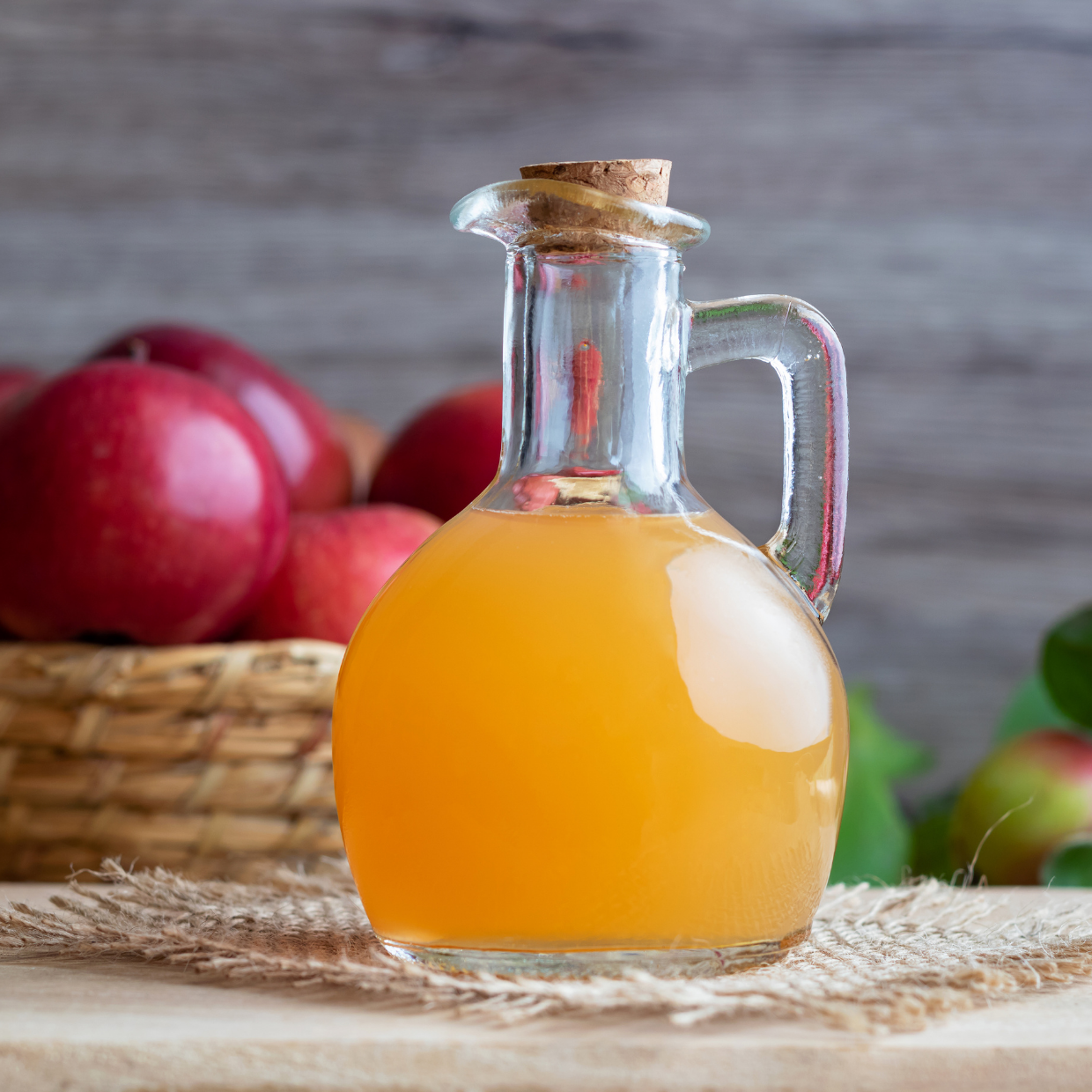
- Promote stomach acid production with raw organic apple cider vinegar (2 tablespoons in water daily)
- Avoid unnecessary antacids that lower stomach acid and impair nutrient absorption
3. Address Gut-Derived Neurotransmitter Deficits
Serotonin, dopamine, and GABA are primarily produced in the gut. When dysbiosis occurs, their production diminishes, affecting mood, pain, sleep, and cognitive functions vital for TBI recovery.
Actions include:
- Supporting microbiome diversity with targeted probiotics (including acromansia strains)
- Prioritizing high-fiber, plant-based diets to fuel beneficial bacteria
- Supplementing with nutrients like vitamin D3 (with K2), omega-3 fatty acids, and magnesium
4. Enhance Vagus Nerve Function for Better Healing
Improving vagal tone can boost parasympathetic activity, fostering relaxation, reducing inflammation, and improving gut motility. Techniques to stimulate the vagus nerve include:
- Deep diaphragmatic breathing exercises
- Humming, chanting, or gargling
- Gentle cervical and occipital adjustments (performed carefully in TBI patients)
- Using a vagus nerve stimulator (consult a professional before use)
Expert tip:
Consistent practice of humming or diaphragmatic breathing can activate the vagus nerve, promoting systemic calmness and healing.
Conclusion: From Diagnosis to Holistic Recovery
Addressing the gut-brain axis is transforming the landscape of neurotrauma care. By understanding how brain injuries impair vagal nerve function and microbiome balance, healthcare providers can implement targeted nutritional and physical interventions speeding recovery, reducing inflammation, and restoring mental clarity.
Next Steps for Practitioners:
- Incorporate gut assessments into trauma evaluations
- Promote dietary and lifestyle modifications supporting microbiome health
- Use gentle chiropractic adjustments and vagus nerve stimulation techniques
- Educate patients on the importance of gut health in overall recovery
Remember:
Treating the patient holistically, not just diagnosing injury, can unlock faster and more complete healing.
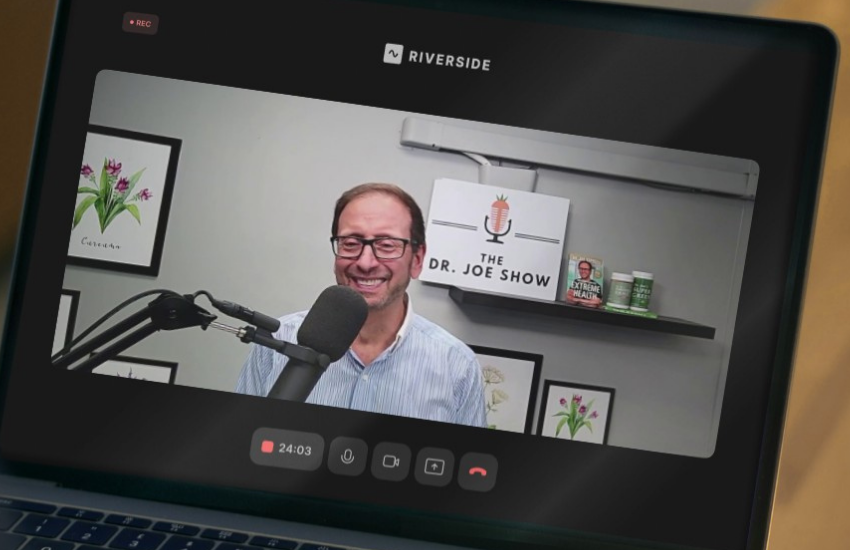
For further insights and practical tools, explore the resources at Dr Joe Esposito For the Health of It- YouTube. Like and follow Dr. Joe on FB.
Frequently Asked Questions
How does gut health influence brain recovery after TBI?
A healthy gut microbiome reduces systemic inflammation, supports neurotransmitter production, and optimizes vagus nerve signaling, all of which are essential for brain repair.
Can improving gut health help with PTSD symptoms?
Yes, since PTSD is linked to inflammation and neurotransmitter imbalances, supporting gut health can improve mood, anxiety, and cognitive function associated with trauma.
What dietary changes are most effective for gut-brain optimization?
Adopting an anti-inflammatory, plant-based diet rich in fiber, fermented foods, and omega-3 fatty acids enhances microbiome diversity and reduces inflammation.
How long does it take to see improvements after addressing gut health?
Results vary based on individual condition; some patients experience improvements within 4-6 weeks, while others may need several months of consistent support.
Enhance your practice by integrating gut-brain axis strategies - improving patient outcomes and redefining neurotrauma recovery.