Blog
Patients
Neuropsychological Evaluation After Brain Injury: What It Measures and Why It Matters
Neuropsychological evaluations can measure changes in memory, attention, processing speed, executive function, and emotional health after a brain injury. Objective results can clarify persistent symptoms, guide recovery plans, and provide useful documentation for work, school, or injury claims.
Board-certified physicians
Objective, FDA-approved testing
Multidisciplinary concussion rehab
You read the same email three times and still can't recall what it said. A word you've used for decades slips away mid-sentence. A quick grocery run leaves you so drained that you need to lie down afterward. These moments seem small, but they add up and can make you wonder what's wrong.
Then the CT scan or MRI comes back clear, and the confusion deepens. Friends say you look fine. Maybe a doctor told you to give it time. Still, the way you think, focus, and remember feels different than it did before the injury, and many of those changes can be measured.
What Neuropsychology Looks at That Imaging Can't
How a Neuropsychologist Differs From a Neurologist
A neurologist focuses on the nervous system's structure and medical conditions. They may order imaging, check reflexes, and manage medications. A neuropsychologist focuses on brain function: how you learn, remember, pay attention, and solve problems.
Why Normal Imaging and Real Symptoms Can Coexist
Many concussions and mild traumatic brain injuries (TBIs) involve changes too small or widespread for standard scans to detect. Research suggests that stretching and shearing of nerve fibers can disrupt how brain regions communicate. That disruption may show up in daily life without ever appearing on a picture.
What the Evaluation Actually Produces
A neuropsychological evaluation isn't a pass or fail test. It creates a detailed profile of cognitive strengths and weaknesses, compared with people of similar age and education. That profile can show:
- which thinking skills appear affected and which remain strong
- how significant the changes are
- whether mood, sleep, or pain may be playing a role
- what kinds of support could help most
Cognitive Changes After TBI: What Patients and Families Notice
Memory and Concentration After Concussion
Memory and concentration problems after concussion are among the most common complaints. People describe walking into a room and forgetting why, or losing the thread of a TV show. Reading may feel slower because attention drifts after a page or two. Names, passwords, and appointments slip through more often than they used to.
Processing Speed and Mental Fatigue
Slower processing speed means the brain needs more time to take in information and respond. Conversations in noisy restaurants can feel overwhelming. A work task that once took an hour may stretch across an afternoon. Many people also notice a mental battery that drains quickly, with symptoms worsening later in the day.
Executive Function and Emotional Shifts
Executive function covers planning, organizing, prioritizing, and switching between tasks. After a brain injury, someone may struggle to start projects or keep track of multiple steps. Irritability, low frustration tolerance, and anxiety can appear too. These shifts are often part of the injury itself rather than a personality change.
A Checklist for Caregivers
Loved ones frequently spot changes before the injured person does. If you're a caregiver, watch for patterns like these:
- asking the same question several times in one day
- missed bills, appointments, or deadlines that used to be handled easily
- trouble following recipes, directions, or multistep instructions
- avoiding busy places, phone calls, or group conversations
- new irritability or emotional reactions that seem out of proportion
- needing extra rest after routine activities
Inside the Evaluation: What Cognitive Testing Involves
The Clinical Interview
The evaluation typically begins with a conversation. The clinician asks about the injury, symptoms since then, sleep, mood, medications, and responsibilities at work, school, or home. Family members may be invited to share what they've observed. This history shapes how test results are interpreted.
The Cognitive Domains Tested
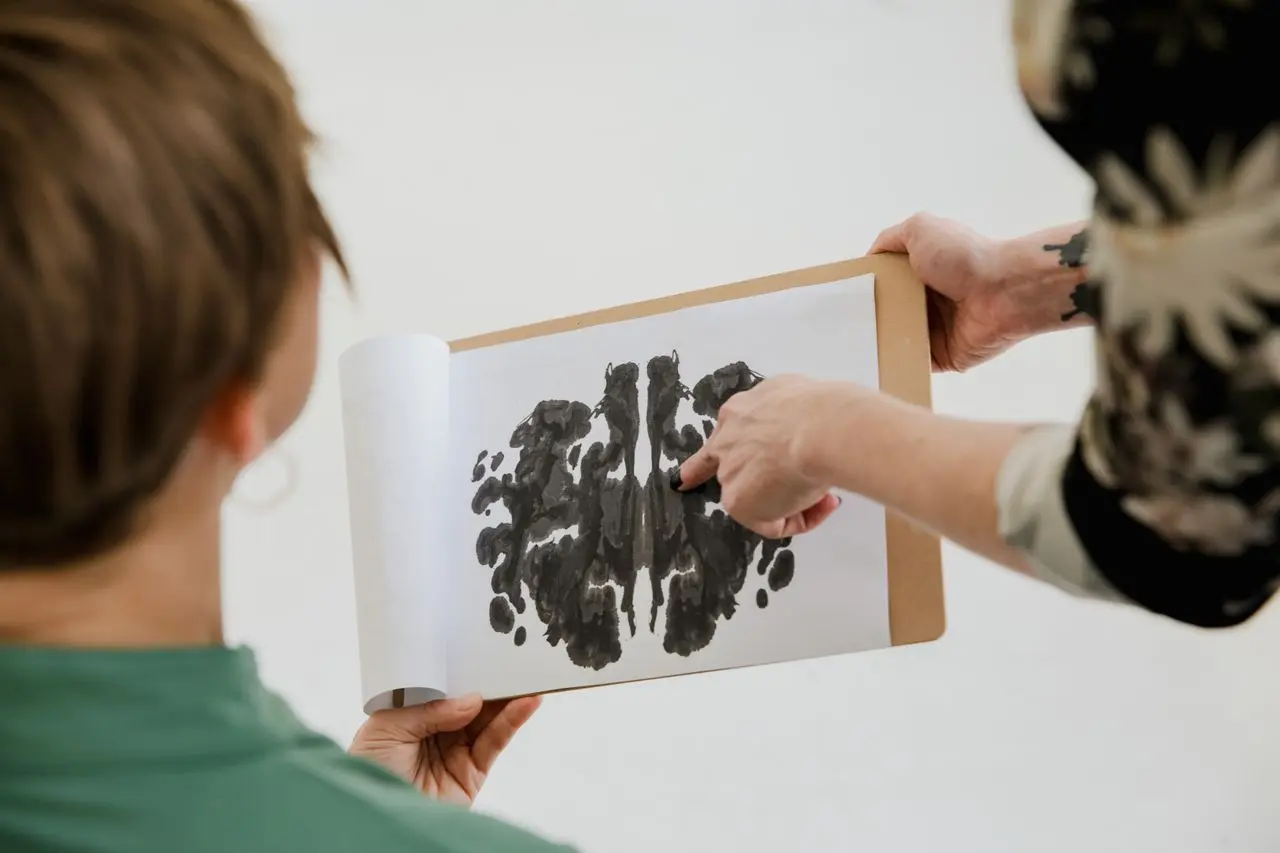
Testing uses standardized tasks, some on paper and some on a computer. Common areas assessed include:
- Attention and concentration: staying focused and filtering out distractions
- Memory: learning and recalling new verbal and visual information
- Processing speed: how quickly information is handled
- Language: word finding, comprehension, and verbal fluency
- Visual-spatial skills: judging space, shapes, and direction
- Executive function: planning, flexibility, and problem solving
- Emotional health: screening for depression, anxiety, and stress
Why Performance Validity Measures Matter
One part of testing rarely gets explained to patients. Well-designed evaluations include performance validity measures, which are built-in checks that help confirm results reflect a person's true abilities. Fatigue, pain, and distraction can all affect scores, and these measures help clinicians account for that.
Validity data also gives results added credibility. Physicians, employers, insurers, and attorneys tend to place more confidence in findings backed by these checks. For patients, that means documented symptoms are harder to dismiss.
When Does a Neuropsychological Evaluation Make Sense?
Symptoms That Linger
Many people recover from a concussion within a few weeks. For others, symptoms persist for months. If memory problems, brain fog, or concentration issues continue longer than expected, testing can help clarify what's happening and why.
Before Returning to Work, School, or Driving
Going back too soon can lead to setbacks, mistakes, or safety concerns. Objective data from cognitive testing can inform return-to-work and return-to-learn decisions. It may also guide accommodations, such as reduced hours, written instructions, or extra time on exams.
Tracking Recovery Over Time
A first evaluation creates a reference point. Repeat testing later can show which skills have improved and which still need attention. That comparison helps care teams adjust treatment based on evidence.
Turning Results Into a Recovery Plan
Treatment Pathways That May Follow
Depending on the findings, recommendations may include:
- cognitive rehabilitation strategies for memory, attention, and organization
- a sleep evaluation, since poor sleep can worsen thinking problems
- vestibular or oculomotor testing if dizziness or visual strain is involved
- counseling or other mood support for anxiety or depression
- workplace or classroom accommodations
When Objective Findings Matter Beyond the Clinic
Brain injuries from car accidents, falls, and workplace incidents often lead to personal injury or workers' compensation claims. In those settings, symptoms that rely only on self-report can be questioned. Documented, validated cognitive findings give attorneys, case managers, and physicians clearer information to work with.
When cases need additional legal-medical support, our affiliated organization, BrainTrust, provides expert witness testimony, independent medical examinations (IMEs), and impairment ratings. Objective documentation can't determine the outcome of any case. It helps ensure decisions rest on clear medical evidence.
Questions Families Often Ask About Cognitive Testing
How long does a neuropsychological evaluation take?
Length depends on the person's symptoms, the questions being answered, and how well they tolerate testing. Our team can explain what to expect when you schedule.
Is a neuropsychological evaluation the same as concussion testing?
Not exactly. Concussion testing often screens symptoms and specific functions, such as balance or eye movement. A neuropsychological evaluation looks more broadly at thinking skills, mood, and daily function.
Can someone be evaluated months or years after the injury?
Yes. Cognitive testing can be valuable at any stage, especially when symptoms never fully resolved.
Do I need a referral?
Requirements can vary. Call our team to talk through your situation and the best way to get started.
Can cognitive testing results be used in a legal or workers' comp case?
Results may become part of the medical documentation in personal injury or workers' compensation matters. Your attorney or case manager can advise on how they fit your specific case.
Giving Invisible Symptoms a Clear Name
A brain injury can leave someone feeling like a slightly different version of themselves, which is hard to explain to anyone. Having results in hand changes those conversations. Families gain a shared vocabulary for what's different, and patients can stop second-guessing their own experience.
Measurement also creates direction. Once specific strengths and weaknesses are identified, recovery becomes a series of practical steps instead of an open-ended wait. Progress turns into something you can see, track, and build on.
Schedule a Neuropsychological Evaluation With All Things Neuro
Whether you're recovering from an injury, supporting someone you love, or referring a client or patient, our firm would be glad to hear your story. We provide objective neurotrauma diagnostics and neuropsychological evaluations for families across Georgia and Ohio, with clear communication at every step.
📞 888-7-CONCUSSION 🌐 allthingsneuro.com 📍 3535 Peachtree Road NE, Suite 320, Atlanta, GA 30326
Follow us: Facebook | Instagram | LinkedIn
Medical Disclaimer: This content is for informational purposes only and does not constitute medical advice. Please consult a qualified healthcare provider for diagnosis and treatment.
Legal Disclaimer: This content does not constitute legal advice. Medical documentation and evaluation results do not guarantee any particular outcome in a personal injury, workers' compensation, or other legal matter. Please consult a qualified attorney regarding your specific case.